


(VEGAN/VEGETARIAN) We all know processed foods can contain questionable ingredients. Most of us have difficulty reading through labels on packages because it seems like a foreign language. But if you are vegan or vegetarian, it may be even worse than you thought. Check out this gallery of hidden animal products to see where your food is really coming from. — Global Animal
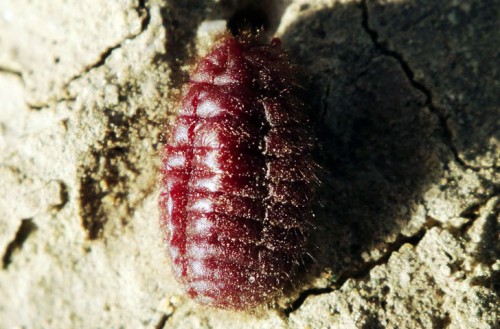
Cochineal is used as a red dye in many foods, including fruit juices and candy. It is also basically bug juice. Insects are boiled to obtain the red carminic acid. Photo Credit: ladyraw.com

Casein, a dairy protein, is found in some soy cheese products because they are designed for the lactose intolerant rather than vegans. Make sure any faux cheese is labeled vegan or dairy-free. Photo Credit: blisstree.com
Gelatin is found in many goodies, including gummy candies, marshmallows, and the obvious, jello. It is made from the bones, hides, and skin of animals. Photo Credit: Fitsugar.com
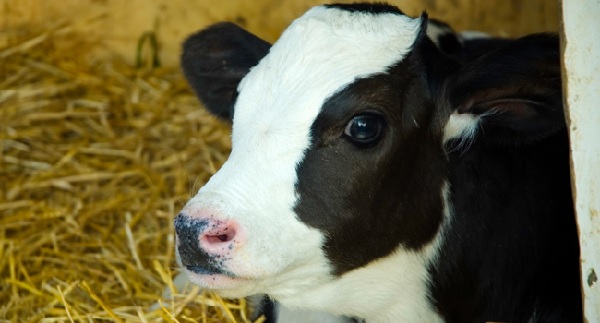
Rennet, a common ingredient in cheese, comes from the stomach of calves and is a byproduct of the veal industry. Look for vegetarian versions listed as “microbial rennet” or “vegetable rennet.” Photo Credit: Cargill

Many Hostess products, such as Twinkies, contain beef fat. These products do label the beef fat content, however it is an unlikely ingredient for desserts and may surprise some vegetarians. Photo Credit: Justin Sullivan, Getty
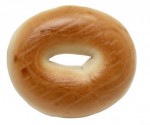
L-Cysteine is made from feathers or sometimes human hair! It is found in bread products like some pizza doughs and bagels. Photo Credit: Evan Amos

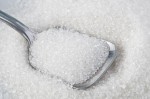
Sugar may seem vegan/vegetarian friendly but many brands process sugar by using charred animal bones. Beet sugar, maple syrup, agave and some raw cane sugars are animal friendly sweeteners. Photo Credit: eofdreams.com

Shellac is derived from the secretions of the lac bug and is used as a shiny glaze in many candies, including jelly beans and candy corn. It is usually labeled as “confectioner’s glaze” or “resinous glaze.” Photo Credit: Getty Images

Lanolin, an oil secreted by sheep and obtained by their wool is used in chewing gum and in vitamin D3 supplements. Photocredit: Animals Australia


