Tag Archives | new species

New Species Discovered In Antarctica

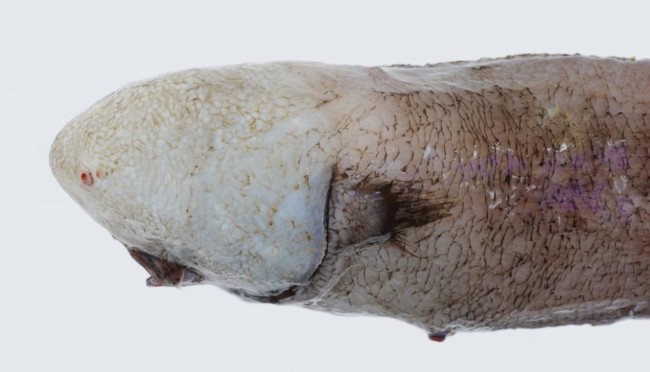
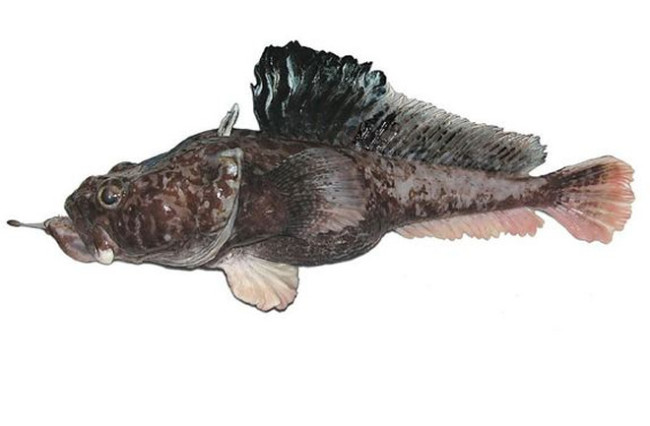
(ANIMAL SCIENCE) A new species of fish was discovered by Ukrainian mariners on a fishing trip near Antarctica in 2009. The new fish known as the hopbeard plunderfish, was discovered when the fishermen were attempting to catch Antarctic Toothfish. The discovery was recently publicized in a ZooKeys study this April and describes how the strange brownish splotched fish, whose shape vaguely resembles that of a tadpole, lives in depths of up to 4,560 feet. To learn more about the specifics of this new species, continue reading below. — Global Animal

Share Your Thoughts

Jeepers Creepers! Massive Spider Discovery

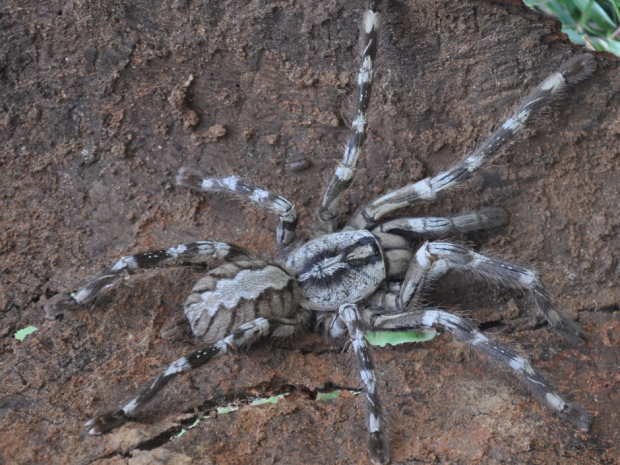
(ANIMAL DISCOVERY) A tarantula the size of a human face has just been discovered in Sri Lanka. Scientists are pretty sure the tarantula belongs to the genus Poecilotheria, but are still hoping to run some DNA tests. Poecilotheria rajaei is venomous, fast, and quite large. The rare spider lives in old trees, but sadly its now facing habitat destruction due to deforestation. Read on to find out more about this exciting discovery. — Global Animal

Share Your Thoughts

Oldest Living Molecules Uncovered

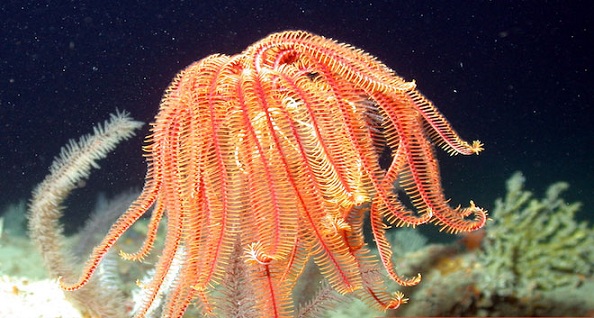
(SCIENCE) Can you name anything that is hundreds of millions of years old and is still alive? Scientists can. Crinoids, which are spindly sea creatures, have molecules that function as defensive toxins and pigments called quinones. Scientists have discovered ‘living’ quinone-like molecules salvaged from 350-million-year-old crinoid remains. These findings help disprove the prior consensus that complex organic molecules cannot survive fossilization. Read more about this astonishing uncovering and what it means for the future of science. — Global Animal

Share Your Thoughts

New Owl Species Identified In Indonesia

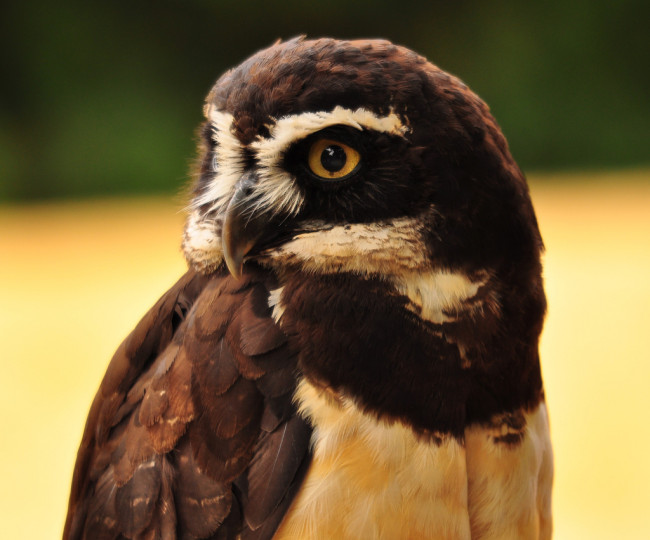
(ANIMAL DISCOVERY) Researchers on the lookout for a nocturnal bird in Indonesia have accidentally stumbled upon a new owl species believed to exist nowhere else in the world. Unique to the island of Lombok, the Rinjani Scops owl was first identified in 2003 but the discovery was not published for 10 years due to the large amount of work needed to verify the finding. Read on to learn more about the endemic species and its distinct whistling song. — Global Animal

Share Your Thoughts

Rare Singing Dog Spotted In Indonesia

(ANIMAL CONSERVATION) NEW GUINEA — Thought to be extinct, the rare, New Guinea singing dog was recently spotted after being unseen for 23 years. A group hiking the Mandala Mountain in West Papua, Indonesia found themselves face to face with what looked like the Australian Dingo’s canine relative in September of this year. Continue reading to learn more about the rare species. — Global Animal 

Share Your Thoughts

Scientists Discover Real Life Yoda

(ANIMAL SCIENCE) Scientists have recently come across a new type of acorn worm, and they have named it after America’s favorite Star Wars character, Yoda. The reddish-purple worm was discovered approximately 1.5 miles beneath the surface of the Atlantic Ocean. The creature has large lips on both sides of its head, reminding researchers of the floppy-eared Jedi master. Its full scientific name is Yoda purpurata, or “purple Yoda.” — Global Animal

Share Your Thoughts

Unusual Animal Discovery In Indonesia

(ANIMAL DISCOVERY) A new species of a nearly toothless rat has been discovered on the island of Sulawesi in Indonesia. This animal is one of a kind because it is the “first known rodent to lack cheek teeth.” There are around 2,300 species of rodents on earth, and all of them have teeth. This creature’s lack of teeth is explained by his earthworm diet, making the ability to gnaw and munch on hard things unnecessary. Read on to find out more about this fascinating new discovery. — Global Animal

Share Your Thoughts

New Monkey May Swing Votes For Conservation In Congo

(NEW SPECIES DISCOVERY) AFRICA — When ethnographers in the Lomami forest basin of the Democratic Republic of Congo spotted an unrecognizable species of monkey, it inspired a lengthy study to determine the species locals called the “Lesula.” With similar features to the Owl Monkey that resided much further east, researchers postulated whether the monkey was a member of the already identified species. After conducting extensive anatomical and genetic research, scientists concluded that the newfound wildlife is in fact related to the Owl Monkey but is a separate species entirely. The lead scientist of the study, John Hart, hopes the discovery will reignite Congolese efforts in forest conservation, and his foundation is working with authorities to create a national park in order to preserve the Lomami Basin’s biodiversity. Read on to learn about the new monkey discovery and what it could mean for animal conservation. — Global Animal  

Share Your Thoughts

Back to top